

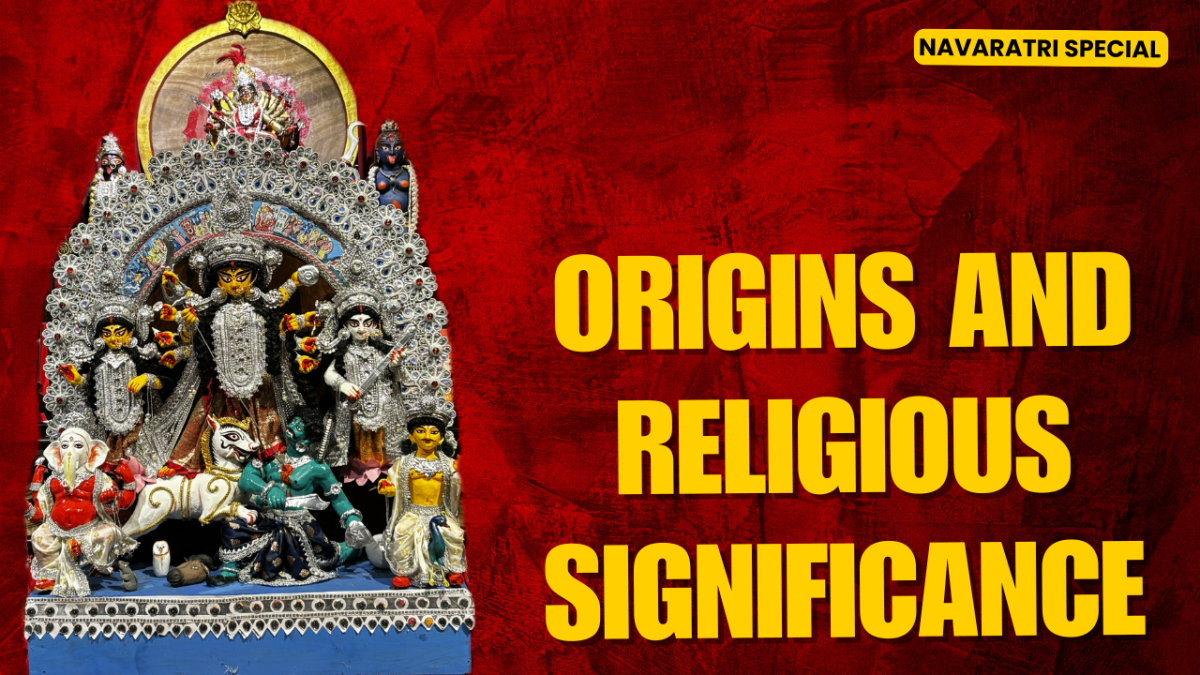
Navaratri, meaning "nine nights," is one of Hinduism's most significant festivals celebrating the Divine Mother in her various forms. The festival occurs multiple times yearly, with four main observances: Sharada Navaratri (September-October), Vasanta Navaratri (March-April), and two Gupta Navaratris in Magha and Ashadha months. The most widely celebrated is Sharada Navaratri, concluding with Vijayadashami.
The festival commemorates Goddess Durga's victory over the buffalo demon Mahishasura after a nine-day battle, symbolizing the triumph of good over evil. This mythological narrative represents the soul's journey toward liberation, overcoming the three fundamental obstacles: Mala (impurities), Vikshepa (distractions), and Avarana (ignorance).
Scripturally, Navaratri draws from various texts including the Devi Mahatmya from Markandeya Purana, Durga Saptashati, and numerous Devi Suktams from the Rig Veda. The festival celebrates nine forms of Durga: Shailaputri, Brahmacharini, Chandraghanta, Kushmanda, Skandamata, Katyayani, Kalaratri, Mahagauri, and Siddhidatri.
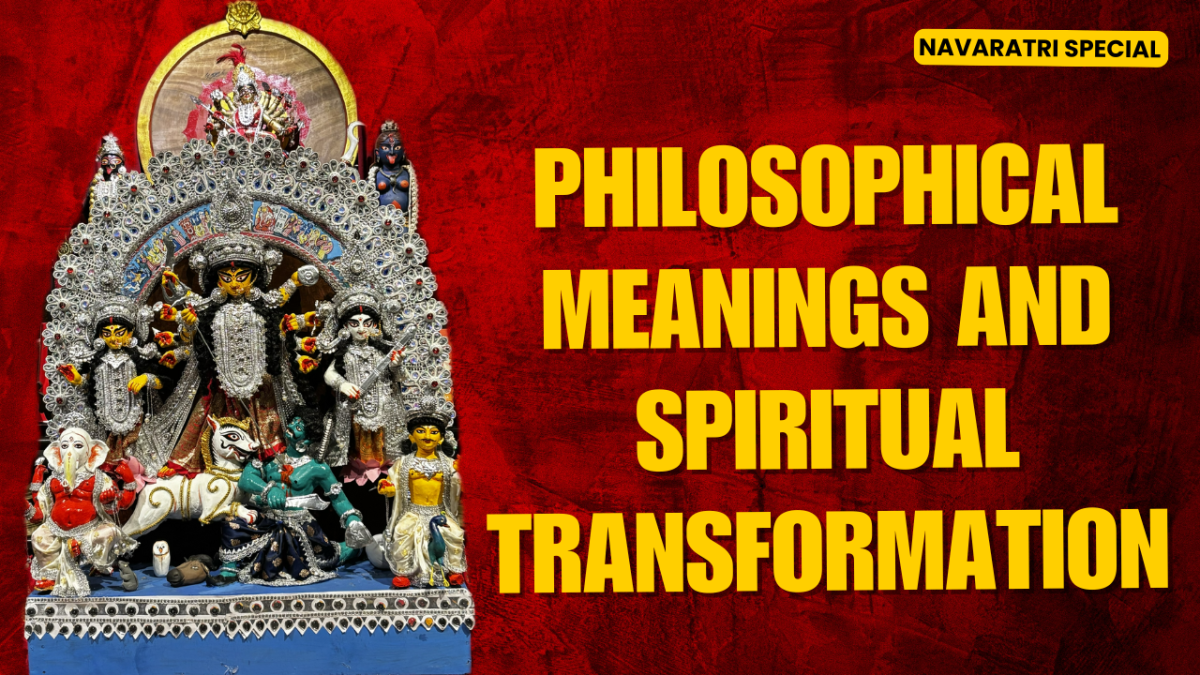
The spiritual significance involves worshipping three aspects of the Divine Mother across nine days: Durga (power) for the first three days to destroy negativity, Lakshmi (prosperity) for the middle three days to cultivate positive qualities, and Saraswati (wisdom) for the final three days to attain knowledge. This progression represents the spiritual aspirant's journey from purification through prosperity to ultimate enlightenment.
Beyond individual transformation, Navaratri emphasizes the cosmic nature of spiritual practice. It's not merely personal devotion but participation in universal forces of evolution. The festival teaches that spiritual seeking is a comprehensive engagement with cosmic energies, where the devotee's transformation contributes to universal harmony. This makes Navaratri both a celebration of divine feminine power and a roadmap for spiritual evolution.

Rate this Article
Your response to this piece
Discussion (0)
No voices yet
Be the first to contribute to this discussion.
Join the conversation
Share your perspective